Curious what else fills the glass besides coffee? Your short list of haitian drinks: kremas at Christmas, clairin, Barbancourt rhum with lime, and Cola Couronne soda. Here is how each works.
These drinks sit inside the wider world of haitian food and drink, where coffee is only one part of the table.
| Item | Value |
|---|---|
| Kremas drinking season | Christmas season |
| Kremas main spirit | Barbancourt rum (clairin traditionally added) |
| Barbancourt founded | 18 March 1862 |
| Barbancourt 3-Star age | 4 years |
| Barbancourt 5-Star age | 8 years |
| Barbancourt Estate Reserve age | 15 years |
These figures come from Wikipedia’s Kremas entry and Wikipedia’s Rhum Barbancourt entry. Wikipedia pages are edited often, so details can change: check the source before you rely on them.
Kremas: the creamy Haitian holiday drink
Kremas is a sweet, creamy alcoholic drink found in Haitian cuisine, and Wikipedia’s Kremas entry says it is typically drunk during the Christmas season. You will also see it spelled crémasse or crémas. Imbibe suggests thinking of it as Haitian eggnog, without the eggs.
Nobody can say who first mixed it, because Imbibe notes that the official origin of cremas’ creation is unknown. What is clear is that it travels through families. VinePair quotes Myriam Jean-Baptiste saying that in Haiti, cremas is passed down from generation to generation, and that there is always a homemade bottle during the holidays.
Other islands have cousins of their own. Wikipedia says kremas is often compared to coquito, a Puerto Rican drink also made from rum and coconut milk and served at Christmas time.
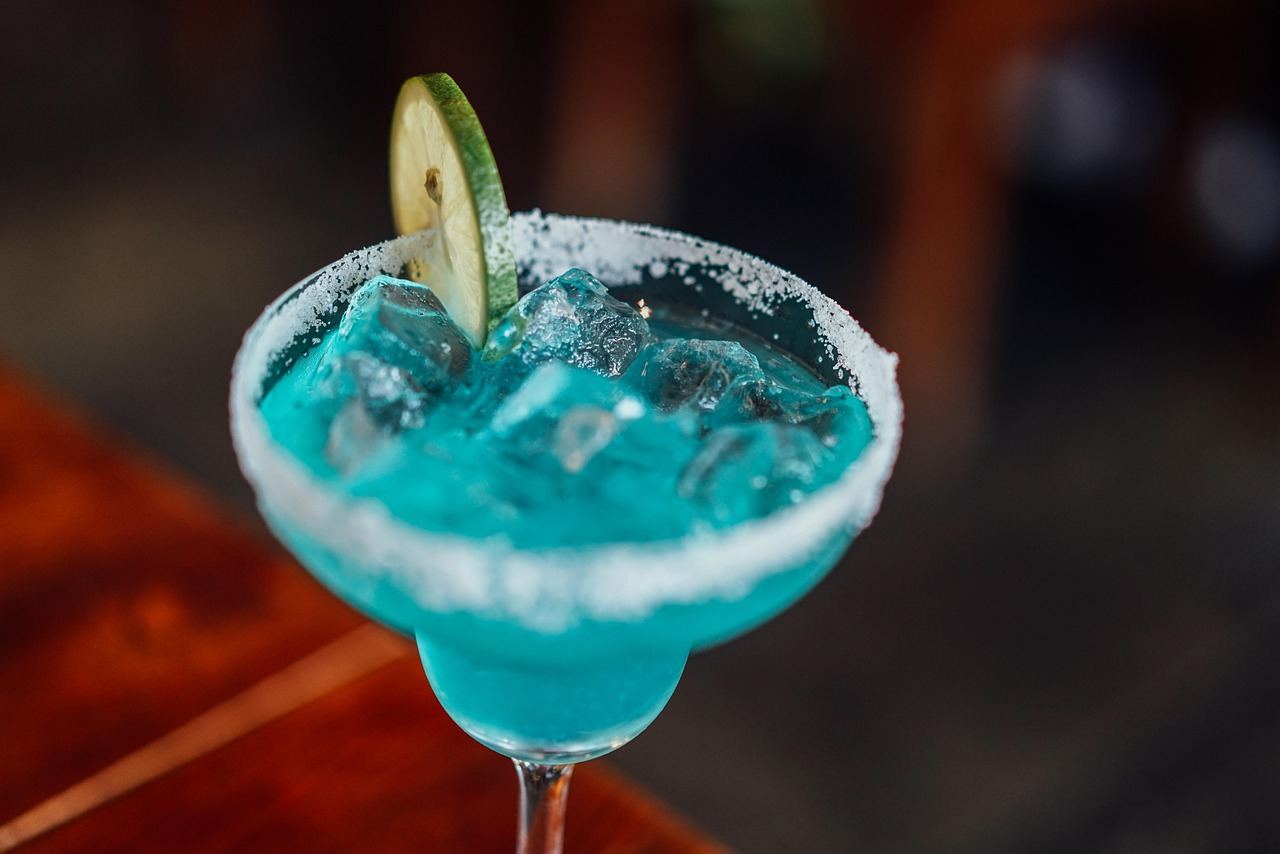
How kremas is made and served
Recipes differ from house to house, but the core is steady. Wikipedia lists the main building blocks as follows.
- Coconut: sweetened cream of coconut, which is not the same as coconut cream.
- Milk: condensed milk.
- Spirit: Barbancourt rum, sometimes with clairin.
- Aromatics: vanilla extract plus spices such as cinnamon, clove and nutmeg.
- Citrus: lime juice.
Citrus does more than add flavor. In Imbibe, a family cook explains that lemon or lime juice thickens the drink, and that it keeps getting thicker over time, so you should not add too much.
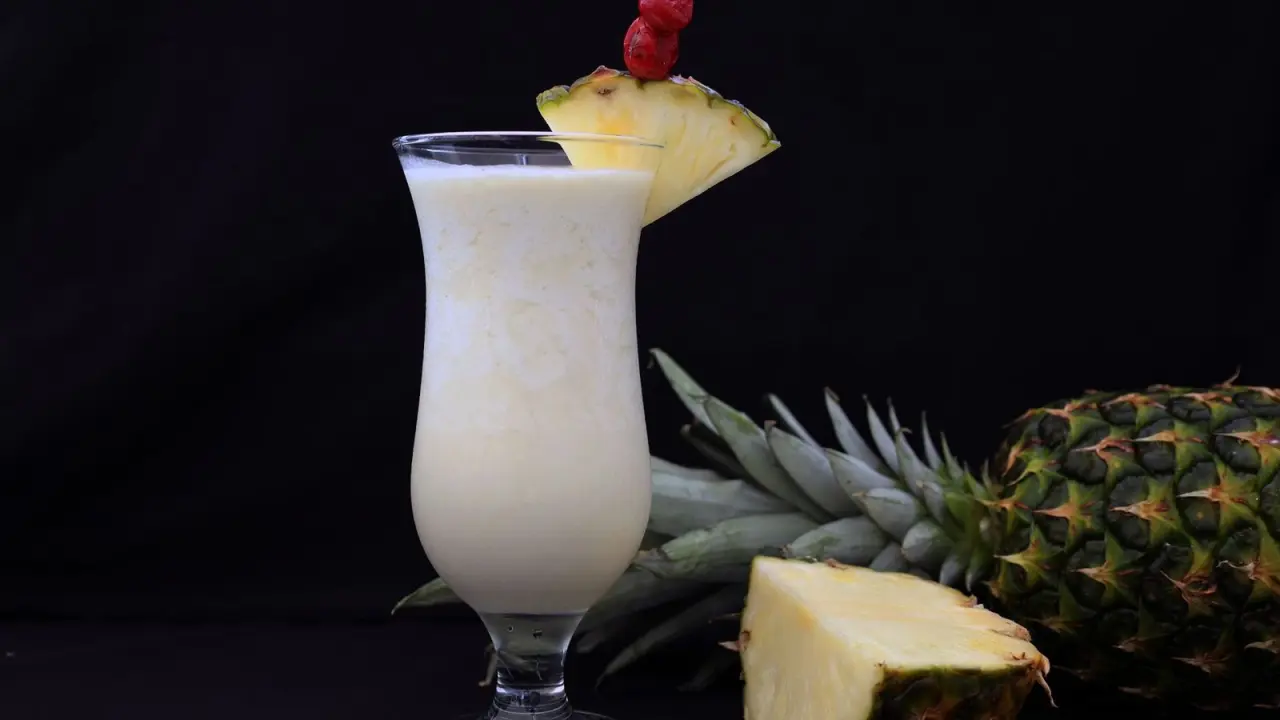
Regional habits shape the glass. Wikipedia says kremas in northern Haiti often has pineapple flavoring, while the south uses more coconut. VinePair adds that some people put in dried raisins, pistachios or even mangoes.
Kremas is usually bottled and kept in the refrigerator for a few days after mixing so the flavors can enrich. It is typically served over ice, and shaken first if it comes from a bottle. VinePair describes traditional cremas as generally thicker and usually consumed on its own.
It does not have to be strictly traditional. Chef Gregory Gourdet tells Imbibe that modern versions can be dairy-free or booze-free, and that he makes a non-dairy version with coconut milk at his Portland restaurant, Kann.
Clairin and Barbancourt: Haiti’s two best-known rums
Both spirits come from sugar cane, but they are not the same thing. Travel Distilled puts it simply: all clairin is Haitian rum, but not all Haitian rum is clairin.
- Clairin is the often unaged, pot-still rum made by small, independent producers across Haiti, typically for local consumption. Imbibe describes it as a grassy spirit that averages around 100 proof.
- Barbancourt is the better-known aged rum. Wikipedia says it is made directly from sugar cane juice rather than molasses, and that it is double distilled using a process similar to cognac.
The Barbancourt family business began on 18 March 1862. Its range includes a 3-Star aged 4 years, a 5-Star aged 8 years, an Estate Reserve aged 15 years, and a white rhum.
Both spirits have a place in kremas. VinePair calls clairin or Barbancourt rum the traditional choices. On its own, clairin is often enjoyed neat or with a splash of water, according to Travel Distilled.
How do you drink rhum and lime?
The local favorite described by Uncommon Caribbean in Port-au-Prince is as plain as it gets. Its author says most of the people he drank with were pouring the five-star Barbancourt. Follow these steps for rhum and lime.
- Fill a tumbler with ice.
- Fill it again with Barbancourt.
- Squeeze half a key lime into the glass and drop the remaining lime in too.
- Swirl, and sip slowly.
The lime and ice cut down the rhum’s bite significantly, but the author warns that it stays plenty potent and says to proceed slowly. Treat it with respect, and pace yourself.
Cola Couronne, grain drinks and juices
Not every Haitian drink involves rum. Fifteen’s beverage guide, updated August 2025, says Cola Couronne appeared way back in 1924 and calls this Brasserie de la Couronne product the oldest and most preferred soft drink in Haiti. It says the flavor is strongly orange or pineapple.
The same guide describes everyday non-alcoholic options.
- Hearty, grain-based morning drinks, often spiced.
- Fruit juices made from fresh local produce for hot days.
- Creamy shakes that blend fruit with milk.
- Coffee, which it links to the island’s deep coffee roots.
For the cup itself, start with kafe ayisyen. The guide to haitian coffee and bread pairing covers what to eat alongside it.
Frequently asked questions
Is kremas the same as coquito?
Show answer
No, they are cousins from different islands. Kremas traditionally uses Barbancourt rum or clairin, according to VinePair, and each family adjusts its own recipe to taste.
When do Haitians drink kremas?
Show answer
Wikipedia’s Kremas entry says it is typically drunk during the Christmas season. VinePair adds that it is typically served during times of celebration.
Does kremas always contain alcohol?
Show answer
Traditional kremas does, usually with Barbancourt rum or clairin. Imbibe quotes chef Gregory Gourdet saying that modern versions can be dairy-free or booze-free.
Is clairin the same as Barbancourt?
Show answer
No. Travel Distilled says clairin is a specific type of Haitian rum, often unaged and pot-still. It describes Barbancourt as a more refined, aged rum distilled by different processes and aged in oak barrels.