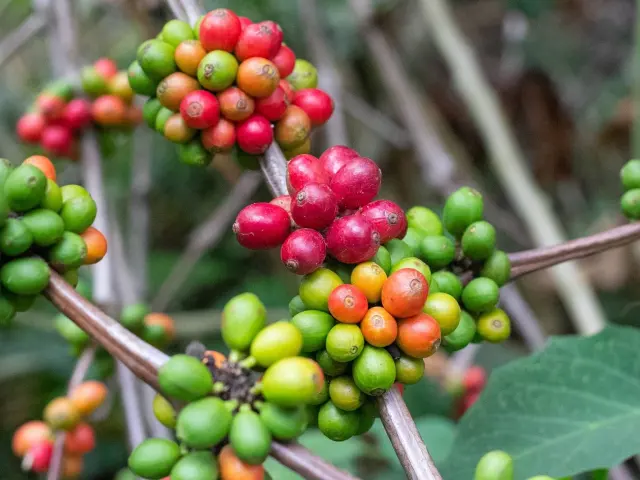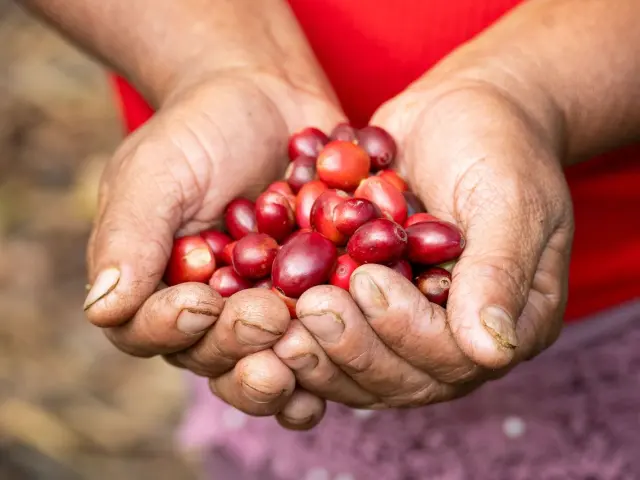

If you want to understand how coffee cooperatives in Haiti work, start here. Farmers pool their harvest in local groups, which arrange credit and sell to export buyers, often at a premium over local prices.
This guide sits within the wider topic of coffee in haiti, and it looks at how farmer groups organise, finance and sell their harvest.
| Item | Value |
|---|---|
| COOPCAB founded | 1999 |
| Primary cooperatives behind COOPCAB | nine cooperatives |
| COOPCAB premium over other local buyers | $0.10 to $0.30 per pound |
| Member cooperatives in the RECOCARNO network | eight cooperatives |
| RECOCARNO Fair Trade certification | 1997 |
These figures come from a March 2013 case study by Root Capital and a profile on Global Hand. They can change, so check the source before you rely on them.
What is a coffee cooperative in Haiti?
A coffee cooperative is a farmer-owned group that sells coffee on behalf of its members. In Haiti, some of these groups are layered. COOPCAB, for example, is a secondary-level cooperative that aggregates and markets the coffee from nine primary-level cooperatives in and around Thiotte, a town in southeastern Haiti near the border with the Dominican Republic.
Put simply, the primary cooperatives sit closest to the growers, while the secondary one combines their coffee into volumes that export buyers can use. A single smallholder rarely has that scale alone.
Across the examples in this guide, a cooperative typically does some mix of these jobs:
- collects coffee from member farmers;
- arranges credit so it can pay for that coffee;
- markets and exports the coffee to buyers abroad;
- passes a better price back to the farmer.
How COOPCAB moves coffee from the hills to export
According to Root Capital’s study, COOPCAB was founded in 1999 and began exporting to Japan in the early 2000s. Its members produce specialty-grade, organic arabica coffee and export to Fair Trade buyers in the U.S., Japan and Europe, which lets them achieve premiums over local market prices.
The binding constraint was credit. Before 2010, COOPCAB borrowed roughly $100,000 to $150,000 each season from local credit cooperatives. That let it buy from 2,500 to 4,000 farmers and export 40,000 to 80,000 pounds of coffee.
Root Capital, a nonprofit agricultural lender, then stepped in. It provided $150,000 in loans to COOPCAB in 2010 and $200,000 in 2011, and the cooperative bought from an additional 1,000 farming households during the 2011-2012 season. It also exported over 200,000 pounds of coffee.
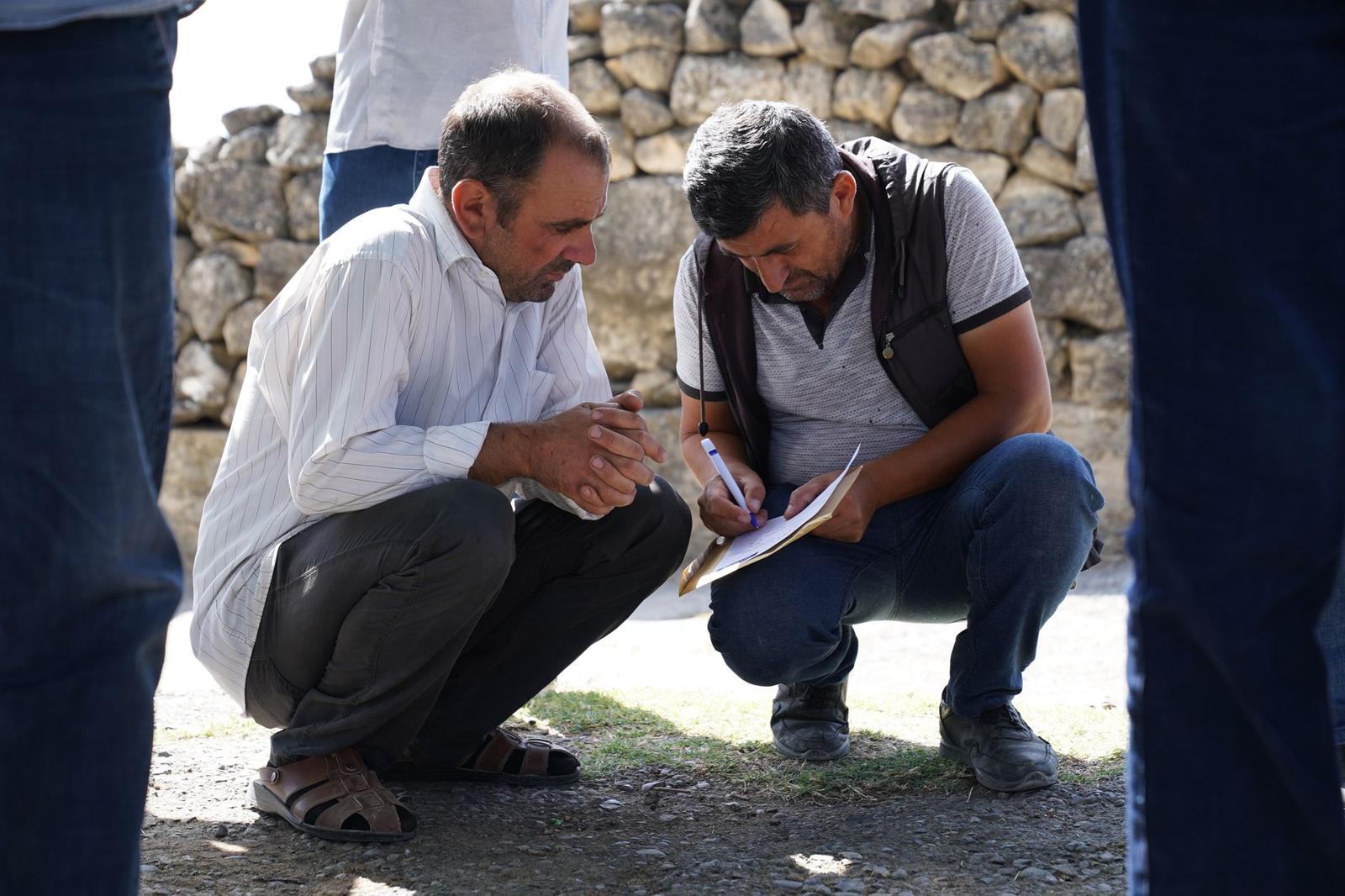
What does the premium mean for a farmer’s income?
COOPCAB pays farmers a premium of $0.10 to $0.30 per pound over the prices offered by other local buyers. Root Capital estimated that this meant $40 to $250 of extra income per farmer compared with selling elsewhere on the local market.
The study puts those sums in context. It says $40 is enough to buy a small goat, while $250 is enough to pay one child’s school fees for a year. Haiti’s average annual per capita income was $660 in 2011.
Across the whole cooperative, Root Capital conservatively estimated approximately $200K to $500K in incremental income to coffee farmers in 2011-2012. Treat these as the lender’s own estimates from a single season, not a guarantee of what a farmer earns today.
RECOCARNO: a northern network built with partners
RECOCARNO is a network of eight small coffee-producer cooperatives in northern Haiti. Its launch relied on several partners, each with a distinct role:
- SEFADES, a local NGO, offered technical assistance, field work and support during the first phase of selling on the fair trade market.
- Oxfam GB provided initial funding and technical field support, and served as a conduit with buyers.
- Twin Trading Ltd. provided pre-financing, marketing, trading, product feedback and quality control experience.
RECOCARNO became certified through the Fair Trade Labeling Organizations in 1997 and worked towards a producer-owned and -operated export business. By 2003 it had ended its partnership with SEFADES and set up its own office.
The profile says RECOCARNO became a dominant buyer of washed coffee in certain coffee-growing areas of northern Haiti. It was also widening its markets to include Japanese, Dutch and German buyers. The page is undated, so check the latest position with the network itself before relying on it.
Direct trade through a cooperative: the Cocano example
A December 2012 report in the Caribbean Journal described the Cafe COCANO Fair-Trade Coffee Project. It was a partnership between Saint Thomas’ Centre for Peace and Justice, the Cafeiere et Cacouyere du Nord’Ouest Coffee Cooperative and the Italian roaster Pascucci Torrefazione. The programme aimed to eliminate the middle men and bring coffee directly from Haitian farmers to buyers abroad.
The programme’s coordinator said that under older arrangements farmers ultimately received just 65 cents per pound. The report said they were now reportedly earning over $4 per pound, and that about 120,000 pounds had been exported over the three years before the report.
These numbers come from the programme’s own coordinator, as reported by a travel and news outlet in 2012. They show what direct trade aims to do, but they are not an independent audit. You can read the original in the Caribbean Journal report.
Why cooperatives matter, and where they fall short
Root Capital’s study notes that in the 1990s and 2000s the Haitian coffee sector declined precipitously. It names the 1991 trade embargo, low world coffee prices, diseases and pests, and limited replanting. Many producers migrated to Port-au-Prince or emigrated to the Dominican Republic.
The Caribbean Journal, citing the IDB, reported that Haiti’s coffee exports dropped from 191,000 bags in 1990 to just 16,000 bags in 2009. Cooperatives are one response to that slump, because they give farmers a route to buyers who pay for quality.
They are not a cure-all. Limited access to affordable credit constrained COOPCAB’s ability to buy large quantities of coffee before outside lenders arrived, and the pool of volume stays small. For the growing side of the story, see haiti coffee climate and altitude. For the supply side, read why is haitian coffee rare.
Frequently asked questions
What is the difference between a primary and a secondary cooperative?
Show answer
In the COOPCAB example, the primary-level cooperatives are the nine local groups, while the secondary-level cooperative aggregates and markets their coffee together.
Do cooperatives pay farmers more?
Show answer
In the Root Capital study, COOPCAB paid a premium of $0.10 to $0.30 per pound over other local buyers. The Cocano programme’s coordinator reported much larger gains, though those figures are unaudited claims from 2012.
Who finances Haitian coffee cooperatives?
Show answer
The sources show a mix: local credit cooperatives and Root Capital for COOPCAB, and Oxfam GB and Twin Trading Ltd. for RECOCARNO.
Why did Haiti’s coffee sector shrink?
Show answer
Root Capital lists the 1991 trade embargo, low world coffee prices, diseases and pests, and limited replanting as causes of the decline in the 1990s and 2000s.