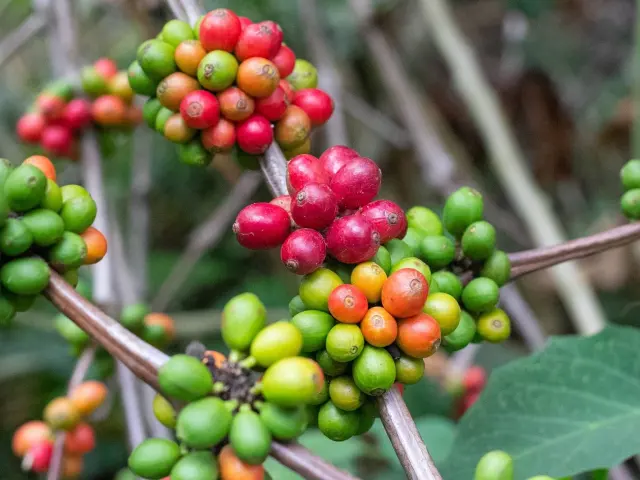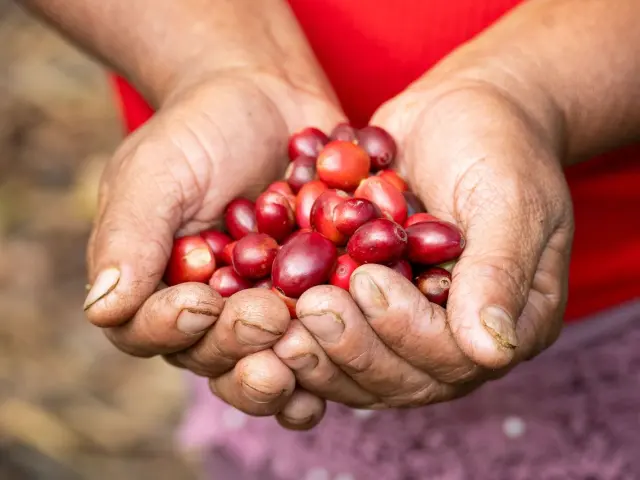
Curious about coffee in Haiti? It is a crop that once supplied half the world’s coffee and is still grown by small farmers in mountain gardens. You’ll find the history, regions and people below.
| Item | Value |
|---|---|
| First coffee introduced to Saint-Domingue (Wikipedia’s dating) | 1715 |
| Share of world coffee supplied by Saint-Domingue in 1788 | Half |
| Earthquake that hit Haiti in 2010 | 7.0 magnitude |
| Typical harvest season | September to June |
| Cherry output on many small farms | 5kg to 10kg per year |
These figures come from Wikipedia’s article on coffee production in Haiti and Perfect Daily Grind’s guide to coffee production in Haiti. Sources disagree on some dates and figures can change, so check the source before you rely on them.
How coffee came to Saint-Domingue
Coffee has shaped Haiti’s economy since the early 18th century, when the French brought the plant to the colony then known as Saint-Domingue, according to Wikipedia. The exact start date is disputed: Wikipedia gives 1715 for first introduction and 1734 for first cultivation, while the Library of Congress country study says the French introduced coffee from Martinique in 1726.
Growth was fast. By 1788 the colony supplied half the world’s coffee, Wikipedia reports, and the Library of Congress study says production peaked in 1790.
That output depended on enslaved people. Wikipedia says the conditions they worked in on coffee plantations were a factor in the Haitian Revolution, which broke out in 1791. You can follow the full timeline in our guide to the history of coffee in haiti, and read about the plantation system on our page about saint-domingue coffee plantations.
War then wrecked the trade. Toussaint Louverture tried to revive production, which had fallen 45% from 1789 levels, but when Napoleon sent troops between 1801-1803 the plantations were abandoned again, Wikipedia says. The same article adds that Napoleon angrily shouted a curse on coffee and the colonies.
Where does coffee grow in Haiti?
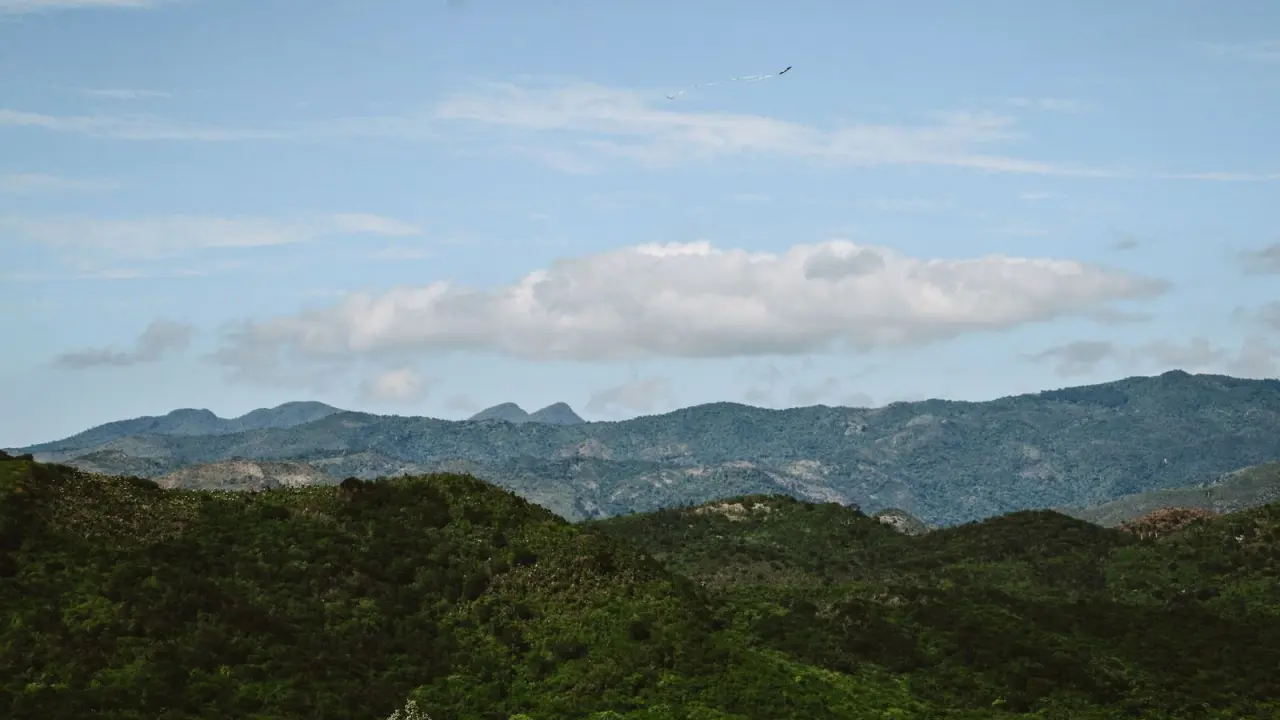
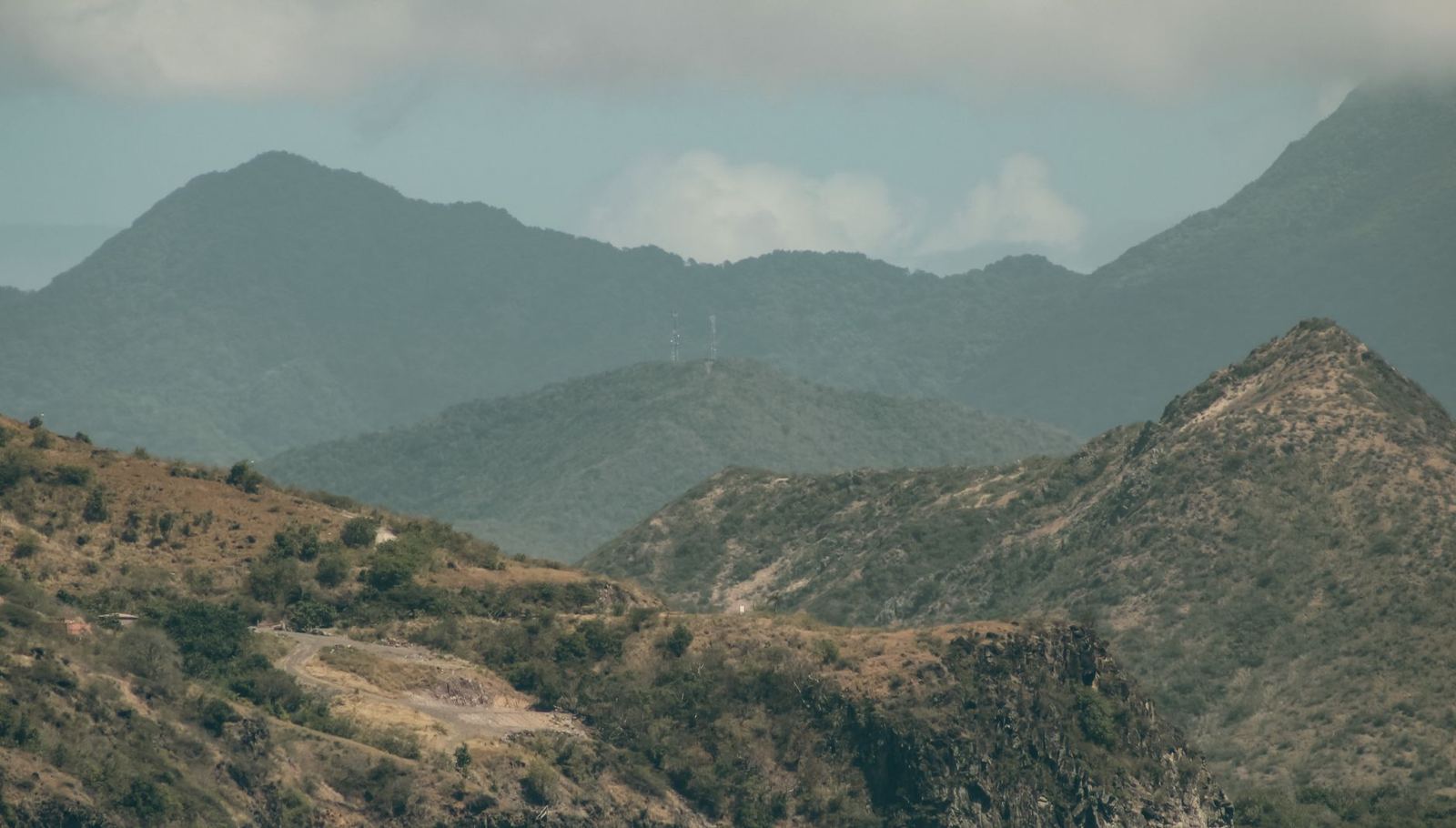
Haitian coffee is mountain coffee. Perfect Daily Grind’s May 2022 guide says small volumes are produced in the mountainous regions, which include:
- Massif du Nord
- Montagnes Noires
- Chaîne des Matheux
- Montagnes du Trou d’Eau
- Massif de la Hotte
- Massif de la Selle
Our guide to haiti coffee growing regions looks at these areas in turn.
Altitude matters. Barista Magazine’s January 2022 report puts the country’s highest point, Pic la Selle, at 2,680 meters above sea level, which it calls just high enough for specialty-coffee production. It adds that volcanic formations in Massif du Nord give the coffee mineral-rich soil, and our page on haiti coffee climate and altitude goes further into the subject.
The same report says regions such as the Central Plateau and the Norde have ample rainfall and humid conditions, which bring a higher chance of coffee leaf rust. Wikipedia adds that soil erosion and deforestation affect coffee growth, and that a 7.0 magnitude earthquake in 2010 played a big role in the decrease of coffee production.
The farmers and cooperatives behind the beans
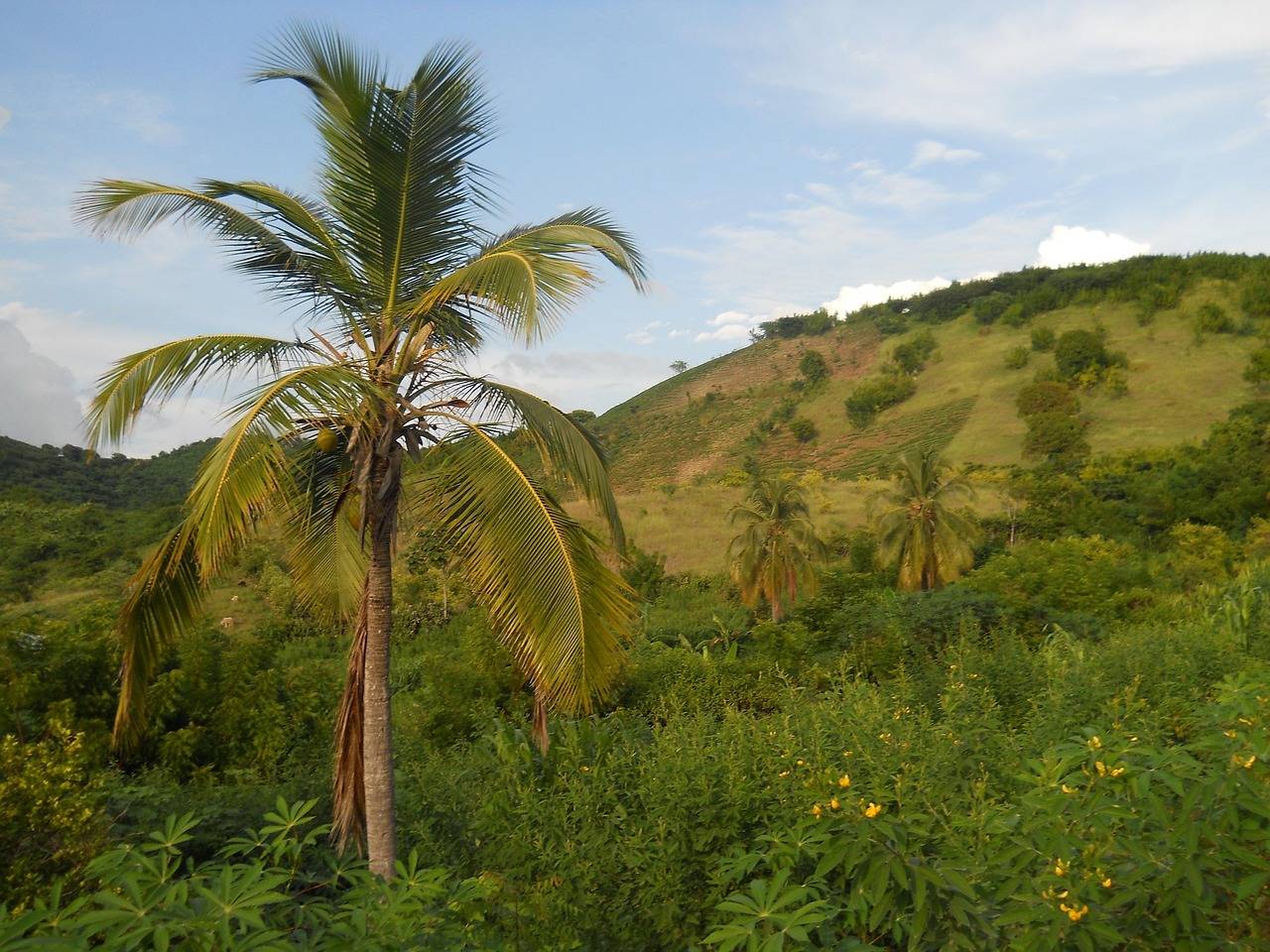
Most Haitian coffee does not come from large estates. A Singing Rooster representative, a social enterprise that works with Haitian farmers, told Perfect Daily Grind that much of the coffee is grown in creole gardens, where a few coffee plants sit alongside bananas, cassava and papaya. Many farmers produce only around 5kg to 10kg of cherries per year.
Our page on haitian coffee farmers tells more of their story.
The trade has long reached far beyond the farm gate. A Library of Congress country study describing the 1980s says more than 1 million Haitians took part in the coffee industry as growers, marketers known as Madame Sarahs, middlemen or exporters. The Madame Sarahs were women who carried the harvested coffee to local and urban markets and sold the beans.
Many farmers today work with co-operatives that own washing stations, dry mills and green coffee storage, Perfect Daily Grind reports. A programme in the 1990s helped build washing stations for many of them, and our page on coffee cooperatives in haiti covers how they work.
Trees and processing
As of Perfect Daily Grind’s May 2022 guide, the picture on the farm looks like this:
- Varieties: many plants are old Typica, with Caturra, Catimor and Mundo Novo also grown.
- Pruning: the trees have not been pruned much, so they are tall and lanky and produce low amounts of cherries.
- Inputs: most production is organic, but largely not by choice, because most farmers cannot afford fertilisers or other costly inputs.
The harvest generally begins in September and can last until June, and farmers pick by hand. Most of the country’s coffee is washed, though farmers usually choose natural processing for their own consumption, and Singing Rooster has worked with farmers to introduce honey processing because of water shortages.
Boom, bust and the export picture
The Library of Congress study says coffee endured as the leading agricultural export during the 1980s, even as output declined from 42,900 tons in 1980 to 30,088 tons by 1987. Haiti also found itself increasingly unable to fill its International Coffee Organization export quota, which stood at 300,000 bags of 60 kilograms each in 1988. You can read the full passage in the Library of Congress country study.
The long run has been a cycle of highs and lows. These turning points come from Wikipedia, the Library of Congress study and Barista Magazine:
- 1850: coffee was a major export of Haiti.
- 1920: a National City Bank vice president wrote that Haitian coffee was in strong demand in Europe.
- 1949: Haiti rose to the world’s third major producer, a comeback that proved brief.
- 1960s: production dropped precipitously.
- Late 1970s: a boom in prices and production, followed by decline.
- 1989: the International Coffee Agreement collapsed, and a U.S. trade embargo followed in the 1990s.
Politics did lasting damage too. Wikipedia says the Duvalier dictatorship left coffee farmers too afraid to come down from the mountains to sell their crops, machinery rusted and harvesting skills were lost over generations. Market shifts also led some Haitians to burn coffee trees to make charcoal.
As of Perfect Daily Grind’s May 2022 guide, mangoes and cocoa were the most-exported crops, and a Port-au-Prince café founder said Haiti exports its coffee as green beans with no real added value. Trade in the sector is led by the National Institute of Haitian Coffee (INCAH), an independent government body under the Ministry of Agriculture and Natural Resources. For more, see our page on haiti coffee exports.
Why Haitian coffee is hard to find
Several forces combine to keep supply small. According to the sources used here:
- Low yields: Barista Magazine says farmers typically lack chemical fertilizers and crop disease control products, so the plants yield very small quantities of cherries.
- Tiny plots: many farmers produce only around 5kg to 10kg of cherries per year, as Perfect Daily Grind notes.
- A broken chain: Wikipedia says machinery rusted and harvesting skills faded during the Duvalier years.
- A small market: Barista Magazine says only a small handful of companies buy small lots and advocate for better quality.
That same January 2022 report names Café Kreyol and Singing Rooster as groups working with farmers on the ground, offering roasted and green coffee. It also says large-scale production may be nearly impossible to reach again within the next decade. Our page asking why is haitian coffee rare explores the question in more detail.
Tasting and drinking Haitian coffee
Haiti is both a producing and a consuming country, according to a café founder quoted by Perfect Daily Grind. Roasters and major companies sell roasted coffee inside Haiti even as green beans leave for export.
One variety that has found some success in the specialty market is Haitian Blue, trademarked by Café Kreyol and a sub-varietal of Typica, Barista Magazine reports. The writer saw it score 92 points on the Coffee Review scale at a coffee trade show and listed silky, buttery fullness with nutty flavors as common tasting notes.
Wikipedia says fair trade policies and growing demand from socially aware consumers have helped ease Haiti back into the world coffee scene. For the cup itself, see our page on haitian coffee, and for the wider table, our guide to haitian food and drink.
Frequently asked questions
When did coffee arrive in Haiti?
Show answer
Sources differ. Wikipedia gives 1715 for first introduction, Perfect Daily Grind says around 1715, and the Library of Congress study says 1726.
Did Haiti once supply much of the world’s coffee?
Show answer
Yes. By 1788 Saint-Domingue supplied half the world’s coffee, according to Wikipedia.
Is Haitian coffee organic?
Show answer
As of Perfect Daily Grind’s May 2022 guide, the majority of production was organic, but largely not by choice. Most farmers cannot afford fertilisers or other costly inputs.
When is the Haitian coffee harvest?
Show answer
It generally begins in September and can sometimes last until June, according to Perfect Daily Grind.
Which coffee varieties grow in Haiti?
Show answer
Perfect Daily Grind lists Typica, Caturra, Catimor and Mundo Novo. Barista Magazine names Typica, Bourbon and Catimor for specialty coffee.