
Wondering what Haitian coffee tastes like? The Haitian coffee flavor profile is chocolatey, nutty and smooth, with gentle acidity and quiet sweetness. Roast and processing shift it.
This guide sits inside our wider look at haitian coffee, and here the focus is only on what ends up in your cup.
| Item | Value |
|---|---|
| Typical flavor notes | Chocolate or pure cocoa, with a quiet sweetness |
| Acidity | Relatively low in most washed Haitian coffees |
| Body | Mild and smooth |
| Aftertaste | Hints of citrus or dried raisin |
| Coffee Review score, Cafe Kreyol washed medium roast (August 2021) | 92 points |
| Harvest window | September to June of the next year |
The flavor descriptions come from a Mystic Monk Coffee profile of Haitian coffee and the score from a Coffee Review entry. Reviews and retailer descriptions can change, so check the sources before you rely on the figures.
The core flavors of Haitian coffee
Across the sources used here, the common thread is chocolate. A profile from the roaster Mystic Monk Coffee says Haitian coffee has notes of chocolate or pure cocoa, with a quiet sweetness that lasts through every sip (source).
The same profile adds a few more traits you can expect:
- Acidity: relatively low, because most Haitian coffees are washed.
- Body: mild and smooth rather than heavy.
- Sweetness: quiet, lasting through the sip.
- Aftertaste: hints of citrus or dried raisin that round out the sweetness.
Treat this as a starting map, not a promise. It is one retailer’s description of a whole country’s coffee, and individual bags can drift from it, as the next section shows.
What do professional tasters find in the cup?
Coffee Review publishes blind tastings, and its Haitian entries give a more detailed picture than a general profile. Two examples, both from small roasters, show how far the same origin can stretch.
Cafe Kreyol Haitian Blue Zombie Desert
Coffee Review gave this medium roast a score of 92 in its August 2021 review. Tasters found cashew, red plum, tea rose, baking chocolate and cedar in aroma and cup.
They described a sweet structure with crisply bright acidity and a lightly syrupy mouthfeel, finishing on baking chocolate and cedar. The coffee came from Savane Zombie, was washed, and was made from Blue Mountain, Typica and Bourbon trees. It was also picked as No. 27 on Coffee Review’s list of the Top 30 Coffees of 2021.
Kafe 1804 Revolution Medium Roast
This medium-dark roast scored 88 in a January 2021 review. The notes were roasted hazelnut, cedar, cocoa powder, date and magnolia in aroma and cup.
The structure was bittersweet with gentle acidity and a velvety mouthfeel. It was grown in the Blue Pine Forest of Haiti’s Central Plateau from Typica and Blue Mountain trees and washed. Coffee Review’s bottom line called it a friendly, accessible Haiti cup with pleasing nut and chocolate tones.
Read side by side, these two reviews share chocolate and cedar. The medium roast added red plum and floral tea rose with crisp acidity, while the medium-dark roast leaned toward hazelnut, cocoa powder and gentle acidity. With only one bag of each, that is a pattern worth watching for, not a rule.
Why Haitian coffee tastes different from bag to bag
Several things move the flavor, and the sources point to three: the tree variety, how the beans are processed, and where they are grown.
Variety
Mystic Monk Coffee says Haitian farmers largely grow Typica, which it describes as old and almost wild. To go deeper on that tree, see our guide to the typica coffee variety. The same profile lists how each variety is said to taste:
- Typica: a sweet, clean body with hints of fruity acidity, nuts and honey.
- Caturra: sweet, with maple, honey and sweet citrus and a hint of chocolate.
- Catimor: the lively taste of ripe berries with notes of earth herb.
Processing
Haitian coffee is processed either washed or natural. Coffee Review explains that in the washed method, fruit skin and flesh are removed from the beans before they are dried. Mystic Monk says natural coffees come out heavier and fruitier, while washed coffees have a cleaner body.
Growing conditions and harvest
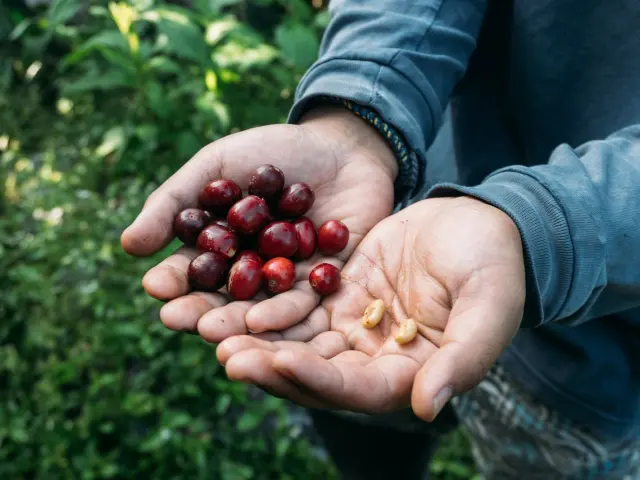
Much Haitian coffee is grown by smallholders in so-called creole gardens, alongside bananas, cassava, papaya and other vegetables and fruits. Mystic Monk says this can affect the flavor profile and give the coffee a unique taste, though it does not describe how.
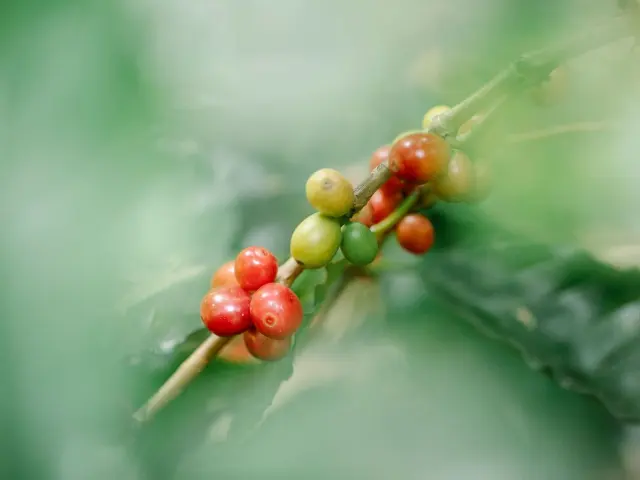
Farmers largely hand-pick their cherries, and harvesting usually starts in September and may continue until June of the next year, according to the same profile.
Tips for tasting Haitian coffee at home
You do not need special equipment to notice these differences. A short routine helps you compare one bag with the next:
- Check the roast level on the bag. In the two reviews above, the medium roast tasted brighter and the medium-dark roast more bittersweet.
- Look for the variety and processing method, such as Typica or washed, since both shape the cup.
- Smell first, then sip, and look for chocolate, cocoa or nuts before hunting for fruit or flowers.
- Pay attention to the finish. Cedar, baking chocolate, citrus or dried raisin may linger.
You may also see the label “Haitian Bleu”. Mystic Monk describes it as an attempt to mirror Jamaican Blue Mountain and other similar productions in South America, so treat it as a branding style, not a flavor guarantee.
If you are about to buy a bag, read our guide on how to choose haitian coffee next.
Frequently asked questions
Does Haitian coffee taste like chocolate?
Show answer
Often, yes. Mystic Monk Coffee lists chocolate or pure cocoa as typical notes, and both Coffee Review entries above mention baking chocolate or cocoa powder.
Is Haitian coffee acidic?
Show answer
Mystic Monk says acidity is relatively low because most Haitian coffees are washed. Coffee Review found crisply bright acidity in one medium roast and gentle acidity in a medium-dark roast, so it varies by bag.
Does Haitian coffee taste fruity?
Show answer
Sometimes. Coffee Review noted red plum in one coffee and date in another, and Mystic Monk mentions citrus or dried raisin in the aftertaste. Fruit tends to sit behind the chocolate and nut tones in these descriptions.
When is Haitian coffee harvested?
Show answer
According to Mystic Monk Coffee, harvesting usually starts in September and may continue until June of the next year. Cherries are largely picked by hand.