Staring at a bag of Haitian beans and wondering what the label means? Washed vs natural coffee processing comes down to whether the fruit is stripped off before drying or left on. Most Haitian coffee is washed, though natural lots exist.
This page sits within the wider topic of haitian coffee, from farms to the cup.
| Item | Value |
|---|---|
| Washed method | Fruit skin and flesh removed from the beans before drying |
| Natural method | Beans dried in the whole fruit |
| Share of Haitian coffee that is washed (May 2022 guide) | Most of the country’s coffee |
| Harvest season | Generally September, sometimes until June |
| Typical output for many farmers | Around 5kg to 10kg of cherries per year |
The figures come from Coffee Review’s Haiti listings and Perfect Daily Grind’s May 2022 production guide. They can change, so check the sources before you rely on them.
How washed and natural processing differ
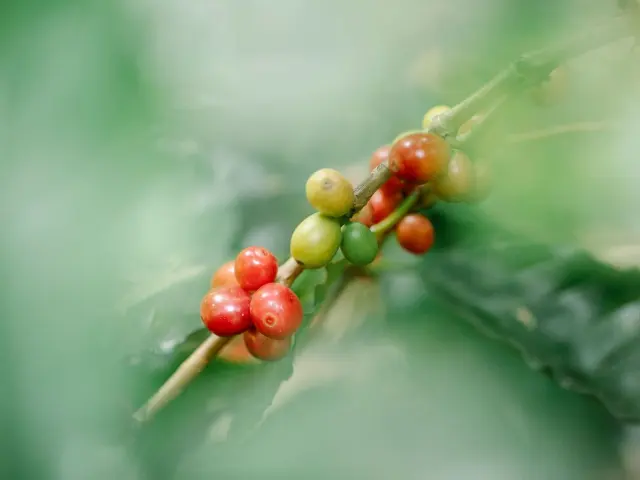
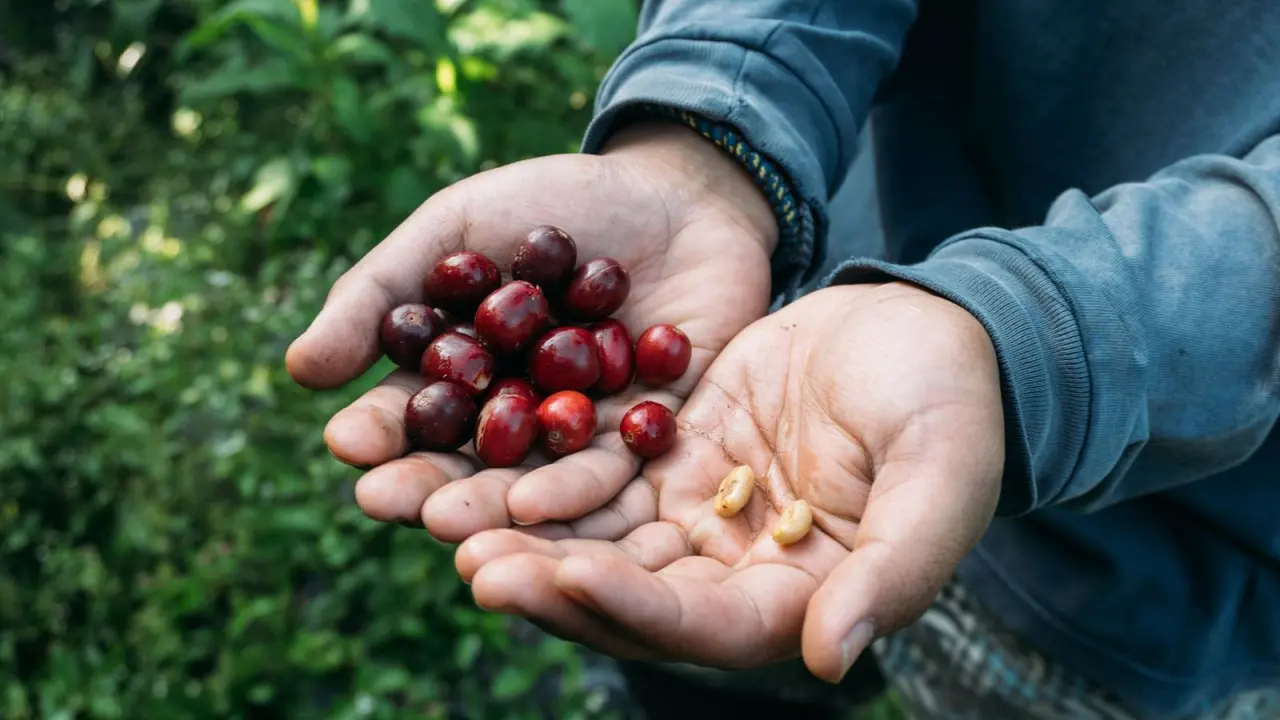
Both methods start the same way: farmers harvest by hand and deliver the cherry for processing, according to Perfect Daily Grind’s May 2022 guide. What happens next is where they split.
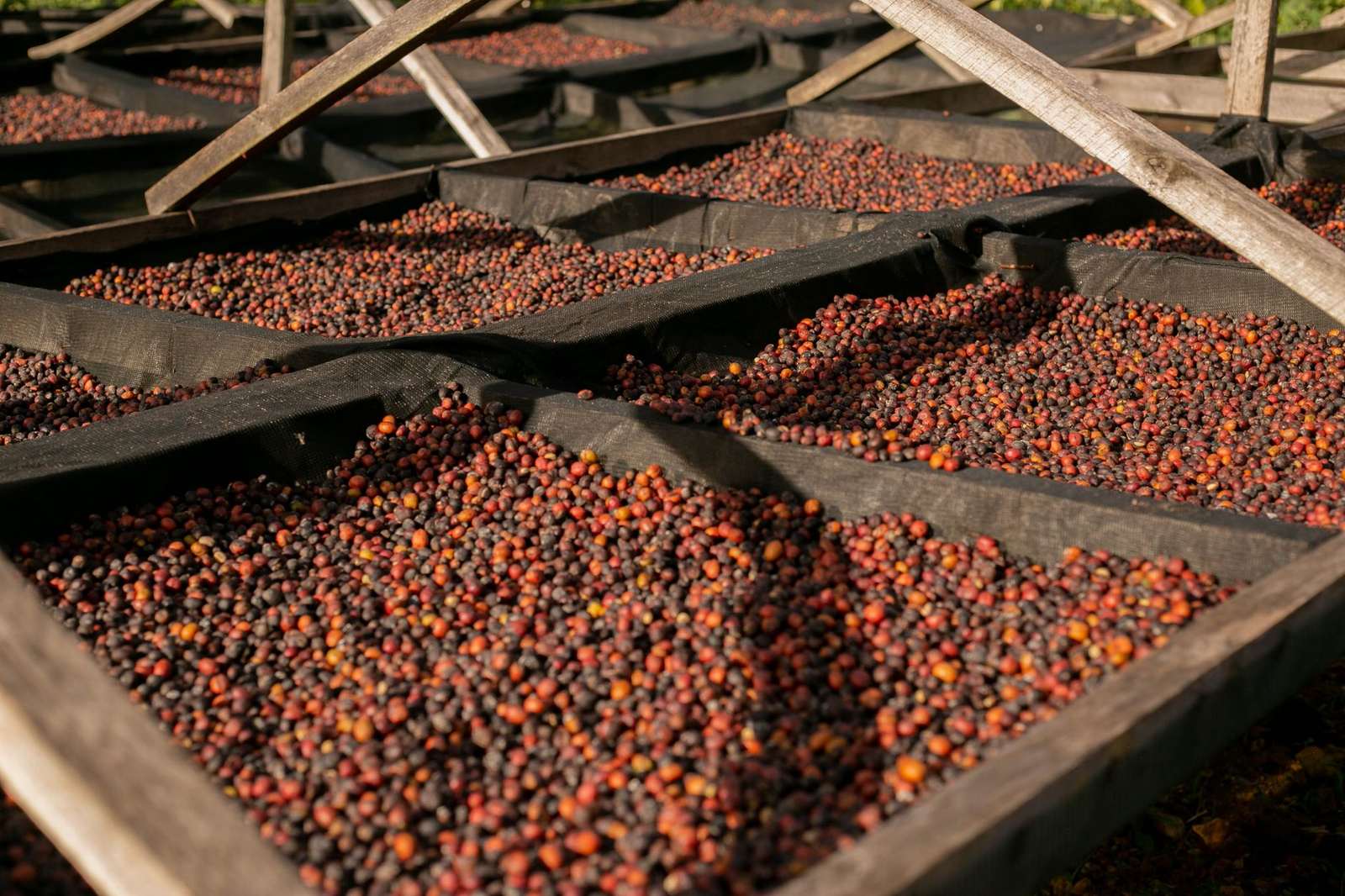
In washed processing, the fruit skin and flesh are removed from the beans before they are dried. In natural processing, the beans are dried in the whole fruit, as Coffee Review’s Haiti listings describe both methods.
Washed processing can include a fermentation step. Pulped beans sit in tanks or other containers while natural enzymes and bacteria loosen the sticky pulp, although mechanical scrubbing often replaces this today, according to Coffee Review’s January 2010 report.
Many readers want a neat rule for flavor here. The sources behind this page give no general rule for Haiti, so the sections below stick to what reviewers actually tasted and what producers actually do.
Why is most Haitian coffee washed?
As of Perfect Daily Grind’s May 2022 guide, most of Haiti’s coffee is washed, according to Justin Dena of Singing Rooster, a social enterprise that works with Haitian coffee farmers. He says a programme in the 1990s helped build washing stations for many co-ops.
Many farmers work with co-operatives that own washing stations, dry mills and green coffee storage facilities, the same guide explains. Cherry is delivered to those wet mills for processing.
The scale per farmer is small. Many produce only around 5kg to 10kg of cherries per year, and the harvest generally begins in September and can sometimes last until June.
Where natural and honey processing fit in
Farmers will usually opt for natural processed coffee for their own consumption, says that same Perfect Daily Grind piece. The reason given is that producers have the infrastructure to do it themselves.
Water is the other factor. Because of water shortages, and because washed processing makes water non-potable, Singing Rooster has also worked with farmers to introduce honey processed coffee, per the guide.
On the roaster side, Coffee Review’s listings include a natural-method blend called Unity from Merge, a Virginia roaster, reviewed on December 28, 2025. It combines smallholder coffee from Haiti and Brazil, so it says little about a natural Haitian lot on its own.
A Haitian test of fermentation time
In a report dated January 28, 2010, Coffee Review’s Ted Stachura described cupping two samples from the Ranquitte area. They were treated identically except for one variable: 12 hours of fermentation for one and a full 24 hours for the other, per that report.
He wrote that both coffees were very good, using terms like sweet and round, chocolate and aromatic wood, rich, clean and butterscotch-like. Which was better he called academic, although it happened to be the 12-hour version.
The samples came through EcoCafé Haiti, whose work included building coffee washing stations and hulling operations and guiding 300 farmers in cultivation, pruning and harvesting. The lesson is modest: within washed processing, tank time is one way producers can influence taste, and one pair of samples is not a rule.
How to read a Haitian coffee bag
Use this short checklist before you buy:
- Find the process word. Coffee Review’s notes state it plainly, such as washed or natural.
- Check whether the bag is pure Haitian coffee or a blend. The Unity and Noir natural lots mix Haiti and Brazil.
- Note the variety, for example Haitian Blue, Typica, Bourbon or Mundo Novo.
- Check the roast level, which is a separate choice from process.
Roast has its own page, and the guide to haitian coffee roast levels covers it.
Here are some washed Haitian examples reviewed by Coffee Review:
- Cafe Kreyol’s Haitian Hound Haitian Blue Dark Roast, a medium-dark roast scoring 91 in a September 2022 review, with notes of dark chocolate, pipe tobacco, date, lily and gently scorched oak, per its review page.
- Haitian Blue Zombie Desert, made by COOPACVOD smallholders from Blue Mountain, Typica and Bourbon trees, named No. 27 on the Top 30 Coffees of 2021 list, per Coffee Review’s listing.
- Kafe 1804’s Revolution Medium Roast, from the Blue Pine Forest, made from Typica and Blue Mountain varieties, per the same listings.
These examples fit the broader picture that washed is common in Haiti. If you are still weighing the bigger question, the page asking is haitian coffee good looks at quality overall.
Frequently asked questions
Is Haitian coffee usually washed or natural?
Show answer
As of Perfect Daily Grind’s May 2022 guide, most of Haiti’s coffee is washed, according to Justin Dena of Singing Rooster. Natural and honey processed coffees are also made, as the guide notes.
Why do Haitian farmers use natural processing at home?
Show answer
The same guide says farmers usually choose natural processed coffee for their own consumption because producers have the infrastructure to do it themselves.
Why was honey processing introduced in Haiti?
Show answer
Singing Rooster worked with farmers to introduce it because of water shortages and the fact that washed processing makes water non-potable, according to the May 2022 guide.
Does fermentation time change washed coffee?
Show answer
It can influence taste, according to Coffee Review’s January 2010 report. In its Ranquitte test, a 12-hour fermentation was preferred over a 24-hour one, though the writer called the choice academic.
When is the Haitian coffee harvest?
Show answer
It generally begins in September and can sometimes last until June, per Perfect Daily Grind’s May 2022 guide.