Curious about the typica coffee variety your Haitian beans might come from? Typica is an old, tall, low-yielding Arabica that reached Haiti in the 18th century and is prized for clean, sweet cups.
Typica is one of the oldest threads in the story of haitian coffee, so this guide stays on the variety itself: where it came from, how it grows and what it tends to taste like.
| Item | Value |
|---|---|
| Single Typica plant taken from Java to Amsterdam’s botanical gardens | 1706 |
| Years the Dutch brought seeds from India | 1696 and 1699 |
| First landings in the Caribbean, including Haiti | First quarter of the 18th century |
| Typica remained the sole American variety until | The middle of the 19th century |
| Arabica varieties in the World Coffee Research catalog (February 2018 update) | 53 |
These figures come from World Coffee Research and Royal Coffee’s variety guide. Variety histories get revised as DNA testing improves, so check the sources before you rely on the figures.
Where does Typica come from?
Typica and Bourbon are the two best-known Arabica lineages. World Coffee Research (WCR) explains that both groups come from small, related populations that travelled from Ethiopia to Yemen and then to India.
Each move carried only a few seeds, which caused what WCR calls “genetic bottlenecking”, a severe reduction of genetic diversity. That narrowing is why the individual Typica and Bourbon varieties emerged.
The Typica story picks up with the Dutch, who brought seeds from India in 1696 and 1699. In 1706, a single plant was taken from Java to Amsterdam’s botanical gardens. According to WCR, that one plant gave rise to the Typica variety that colonised the Americas during the 18th century.
One detail trips people up. WCR separates the Typica genetic group from the Typica variety, and says varieties in a group are “genetically similar, like cousins, but they are not the same.” You can read WCR’s account in its varieties catalog news.
How the Typica coffee variety reached Haiti and the Americas
After Java, the Dutch brought a Typica tree to Amsterdam’s botanical garden and gave another to the French royal court. According to Royal Coffee, these trees went first to Martinique, Haiti and Suriname in the first quarter of the 18th century. Typica then remained the sole American variety until the middle of the 19th century (Royal Coffee).
Ozone Coffee Roasters adds dates for nearby islands: Martinique in 1723 and Jamaica in 1730 (Ozone Coffee Roasters). Haiti’s own arrival date is only given by Royal Coffee as part of that first quarter of the century.
Typica held its ground for generations. Breville says it made up the majority of all coffee farms in Central America for over 200 years (Breville). Ozone says that by the 1940s, most coffee plantations in Central and South America were planted with Typica (Ozone Coffee Roasters).
The sources supplied here do not say how much of Haiti’s coffee is Typica today. Treat any blanket claim that all Haitian coffee is Typica with caution, and see the FAQ below.
What does a Typica tree look like?
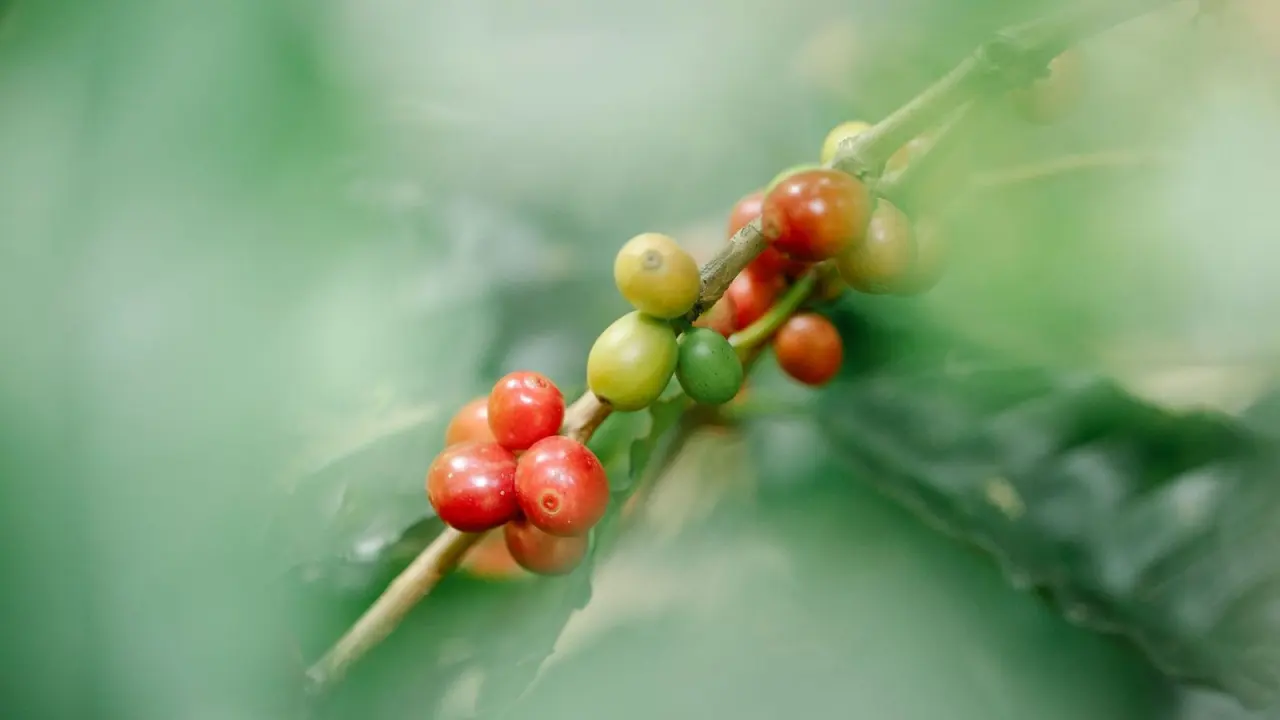
Typica is a tall tree. Breville puts the plants at usually around five meters, with thin branches and large leaves (Breville). Ozone notes that young leaves commonly have bronze-coloured tips, one of the useful clues for identifying it (Ozone Coffee Roasters).
The beans are relatively large and elongated, and the open growth habit needs more room than compact modern varieties. Harvesting can also be harder work when trees are allowed to grow tall.
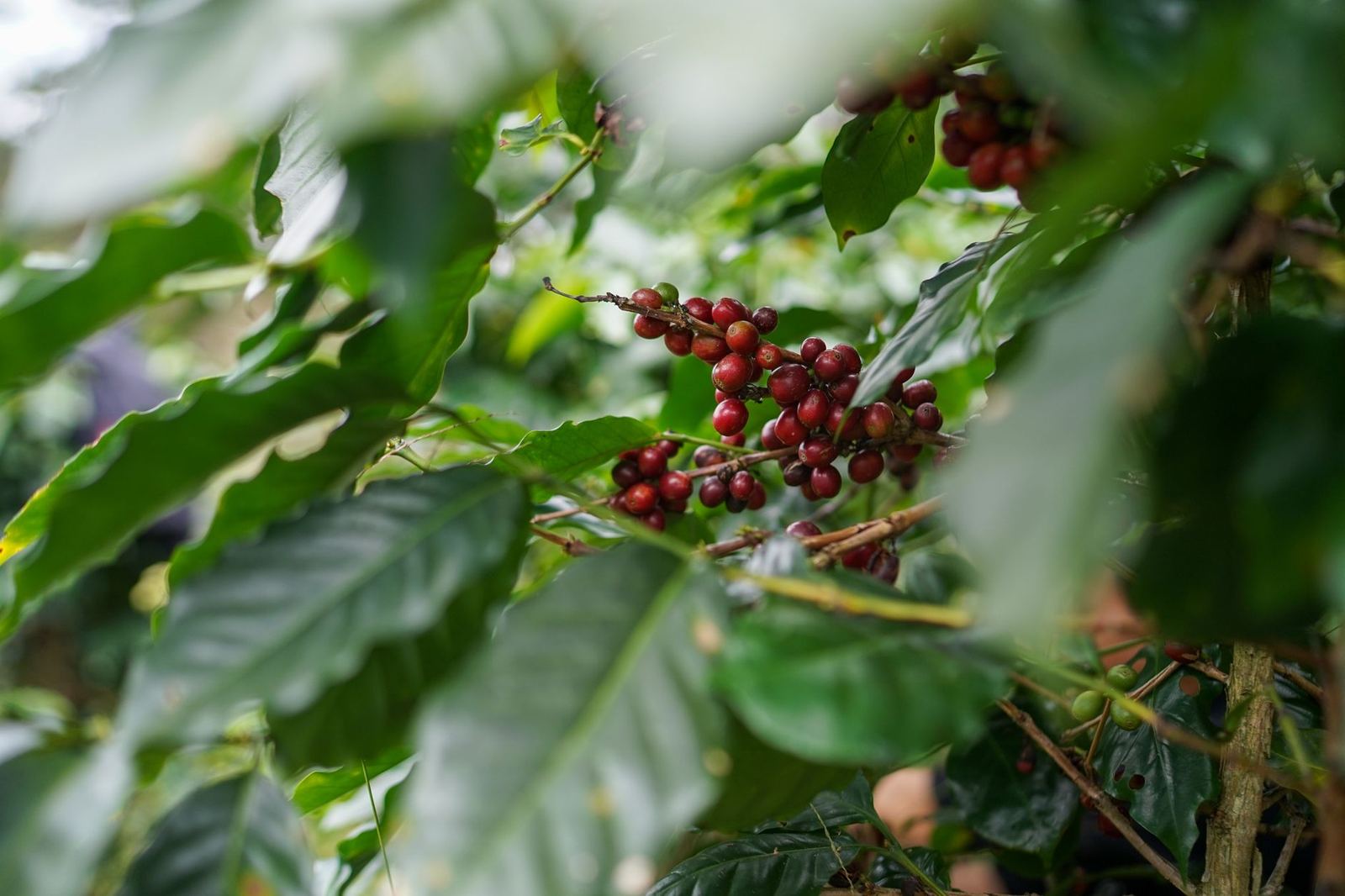
Here is how those traits add up for a grower:
- Size: tall, spreading trees that take up plenty of space.
- Yield: WCR rates the yield potential as low, while quality potential at higher altitude is rated very good (Ozone Coffee Roasters).
- Health: highly susceptible to coffee leaf rust and other diseases.
Ozone says that is why farmers turned to Bourbon and later varieties selected for higher yields or better disease resistance. For a farmer, there are easier options, which makes a Typica lot a deliberate choice.
What does Typica taste like?
Typica is often associated with a clean, sweet cup with good clarity. At higher altitudes, it can produce floral aromas, citrus and stone fruit, with a light to medium body (Ozone Coffee Roasters).
The same source warns that there isn’t really a single “Typica flavour”. Where the coffee is grown and how it is processed still matter enormously, so a washed Typica can taste quite different from a naturally processed one. Variety is only one piece of the picture, and the haitian coffee flavor profile also depends on where the coffee is grown and how it is processed.
Typica’s relatives and look-alikes
Typica is a parent of many varieties. A few that sources link to it:
- Maragogipe: a natural mutation of Typica, first discovered in Brazil in 1870 (Breville).
- Mundo Novo: a natural cross between Typica and Bourbon from Brazil, first discovered in 1943 (Breville).
- SL34 and SL14: WCR testing confirmed these Kenyan varieties belong to the Typica genetic group, not Bourbon as once thought (World Coffee Research).
- Jamaican Blue Mountain: some growers list it as distinct, but Royal Coffee says it is genetically identical to Typica.
Even experts get tripped up. Breville calls Kent a Typica selection, yet WCR’s DNA fingerprinting shows that Kent is part of the Bourbon group, not Typica as was thought. This is why labels deserve a little skepticism.
Reading a bag of Haitian coffee
Breville notes that most specialty packaging states the varieties inside. If a Haitian bag names Typica, you can reasonably look for sweetness and clarity, while remembering that growing place and processing shape the result.
Labels are not always certain either. In a Bean Scene interview, a WCR author said DNA tests sometimes show a tree is not what people thought, through mislabelling or information passed down poorly (Bean Scene).
Once you have a bag in hand, our guide on how to brew haitian coffee covers the practical side of the cup.
Frequently asked questions
Is Typica the same as Bourbon?
Show answer
No. Both lineages trace back through Ethiopia, Yemen and India, but WCR treats them as separate genetic groups. Breville says Bourbon yields are slightly better than Typica’s.
Why is Typica less common today?
Show answer
It grows tall, yields little and is highly susceptible to coffee leaf rust, according to Ozone Coffee Roasters. Farmers moved to varieties chosen for yield or disease resistance.
Is all Haitian coffee Typica?
Show answer
The sources used here do not say. They show that Typica reached Haiti in the first quarter of the 18th century, per Royal Coffee, but not what share of coffee is Typica now. Check the bag or ask the roaster.
Does Typica always taste the same?
Show answer
No. Ozone Coffee Roasters says there isn’t really a single Typica flavour, because origin and processing matter enormously.