Choosing between Haitian coffee roast levels? You’ll find herbal, lemony cups in a light roast and milk chocolate with brown sugar in a medium-dark one, going by the listings below.
This guide is part of the wider topic of haitian coffee, and it looks only at how roast shapes the cup.
| Item | Value |
|---|---|
| Kolen lot, roast measurement | Agtron number 70 (light brown roast level) |
| Kolen lot, growing altitude | 1,130 meters |
| Kok Ki Chante lot, roast level | Medium Dark (dark amber) |
| Kok Ki Chante lot, batch size | Maximum 1 kg per micro-roast |
| Processing of both lots | Washed |
The figures come from the roaster listings for Kolen and Kok Ki Chante. Listings change as lots sell out and new roasts arrive, so check the source before you rely on them.
What a light roast shows in a Haitian coffee
The clearest light roast example in the sources is a washed lot from Kolen, in the Upper Southeast department near the Dominican border. It is produced by Kolen APPCC, a cooperative association of 200 families, and grown at 1,130 meters as a shade crop on limestone soil.
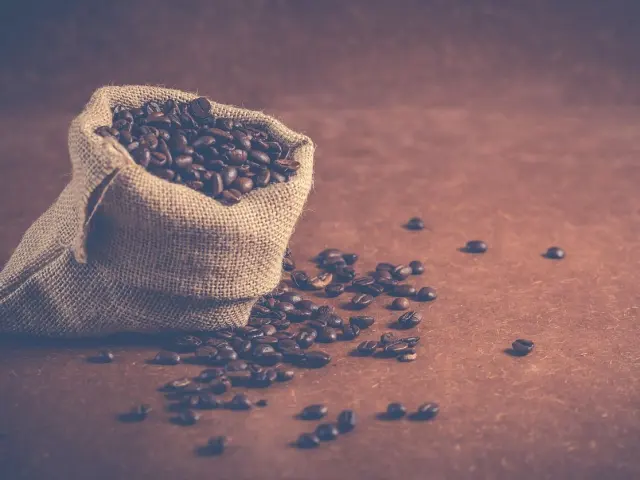
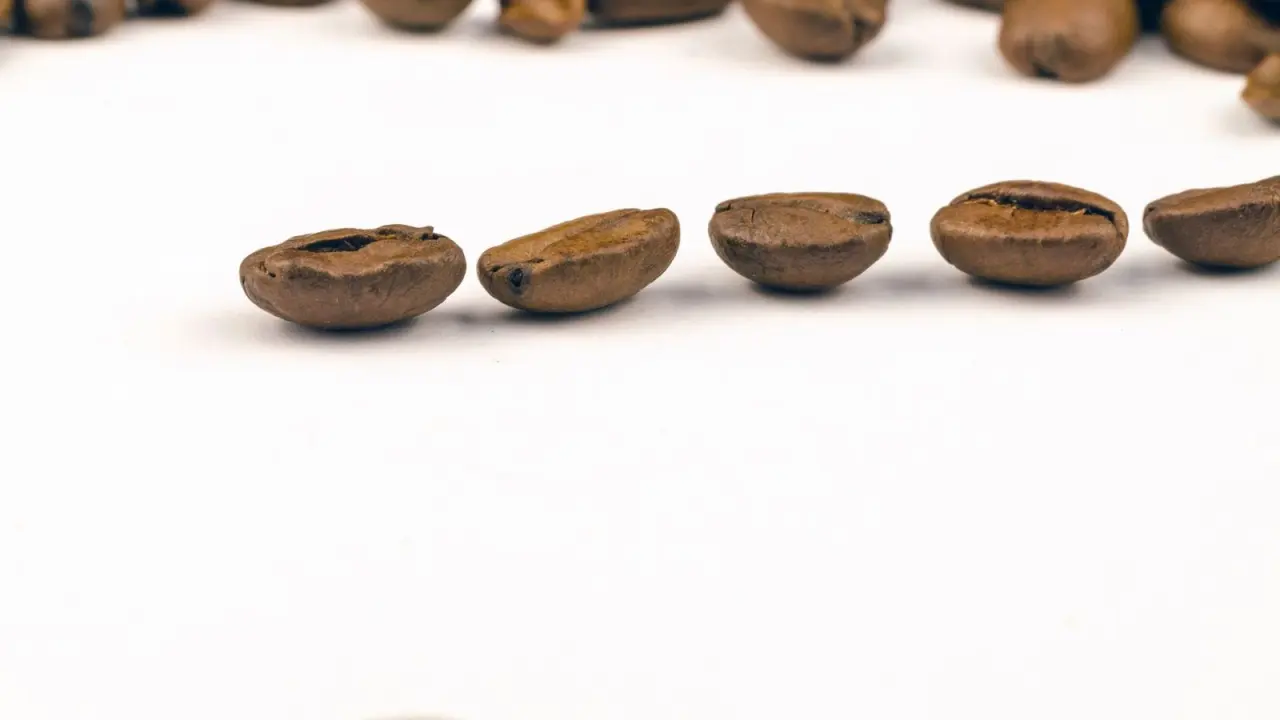
The roaster gave it an Agtron number of 70 and described that as a light brown roast level. The tasting notes are herbal and bud on the nose, nice acidity in the mouth, and buttery aromas with a lemony nuance.
The varieties listed are Typica, Bourbon, Caturra and Catimor. In this listing, the light roast goes with the bright, herb-and-lemon side of a washed coffee rather than with heavy sweetness.
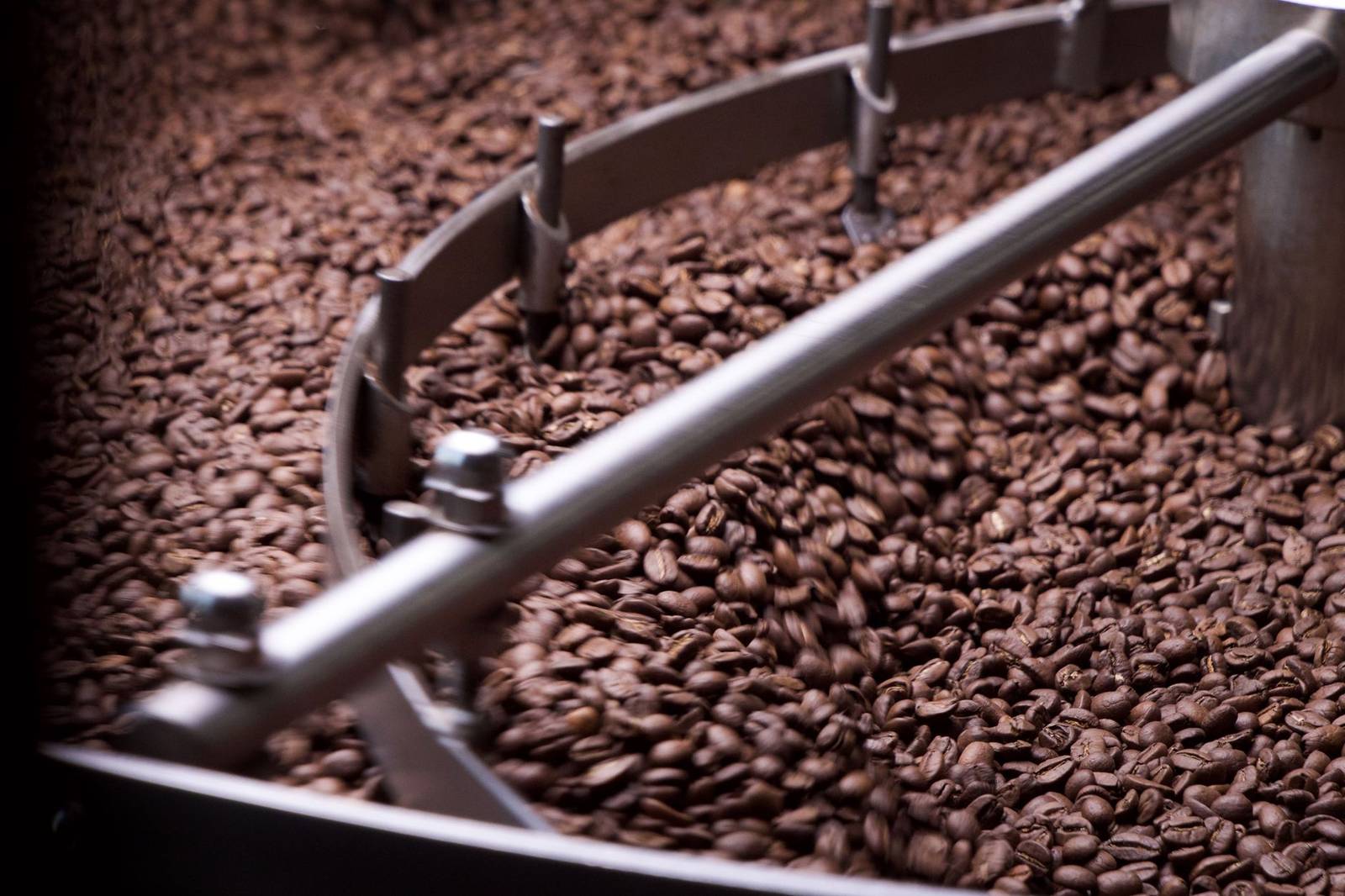
What a medium-dark roast does to a similar lot
A second listing, Kok Ki Chante, comes from the Association de producteurs de Kolen and is also grown at 1,130 meters. It features Typica, Bourbon and Caturra, and it is washed like the first lot. The difference is the roast: the listing says it is roasted to a dark amber level and labels it Medium Dark.
The flavor notes shift with it. Instead of herb and lemon, the listing names milk chocolate, brioche bread and brown sugar, and it says the coffee is micro-roasted in small batches of maximum 1 kg.
Set side by side, the two listings read like this:
- Light (Kolen): herbal, lemon, bud notes, with nice acidity.
- Medium Dark (Kok Ki Chante): milk chocolate, brioche bread, brown sugar.
Treat that as a pattern, not a rule. The two lots are not guaranteed to be identical, and the tasting notes were written by sellers, not by a lab.
Why do roast labels differ between sellers?
The same coffee can carry two different roast labels. A washed Typica from Singing Rooster, a non-profit working to revive the Haitian coffee industry, is sold by Voyage Coffee Roasters. As the Crema listing shows, the roaster rates it Medium, while Crema rates it Dark.
The reason is the yardstick. The roaster’s label compares the coffee with its other coffees, and Crema’s label compares it with all the coffees on Crema.co.
The flavor notes are the more useful clue. The listing describes sugary caramel, white chocolate, creme brulee custard and a hint of nuttiness, and Crema’s taster adds peanut butter, raspberry and a roasted marshmallow finish with a velvety body.
A roaster’s habits are not a guide either. The Montreal roastery behind the Kolen and Kok Ki Chante listings describes producing medium profiles, yet the Kolen lot is a light roast. Read each bag’s own roast level and notes.
How to pick a roast for your cup
Start from the taste you already like, then check what the listing actually says:
- If you like bright, lemony cups, look for a light roast and a number such as Agtron 70, plus notes like herb, lemon and acidity.
- If you like sweeter, dessert-like cups, look for medium to medium-dark roasts with notes like milk chocolate, brown sugar or caramel.
- If you drink your coffee with milk, a creamy medium roast such as the Baptiste lot is a reasonable place to start, since Crema’s taster says you can add milk to it.
- Compare who made the label. A roaster’s “medium” and a retailer’s “dark” can describe the same bag.
Every lot above is washed, so the roast is the main variable here. If you want to see how the processing method changes things as well, read about washed vs natural coffee processing.
Once you have picked a roast, the next step is covered in how to brew haitian coffee.
Frequently asked questions
Is a light roast better for Haitian coffee?
Show answer
Neither is better in every case. In the listings above, the light roast shows herbal and lemony notes with nice acidity, and the medium-dark roast shows milk chocolate, brioche and brown sugar. Pick the style that matches the flavors you enjoy.
What does Agtron number 70 mean?
Show answer
The Kolen listing pairs Agtron number 70 with the words “a light brown roast level”. That wording is the guidance the source gives, so use it as a rough marker for a light roast.
Why does one bag have two roast levels?
Show answer
The Baptiste lot is rated Medium by its roaster and Dark by Crema. The first compares it with the roaster’s own coffees, and the second compares it with every coffee on Crema.co.
Can I add milk to a Haitian coffee?
Show answer
Crema’s taster says you can add milk to the Baptiste lot, which has a velvety body and a roasted marshmallow finish. The sources do not say how other roast levels behave with milk.